In the holiday rush, we look for quick, original gifts — and more people are choosing bitcoin as an instant, digital present.
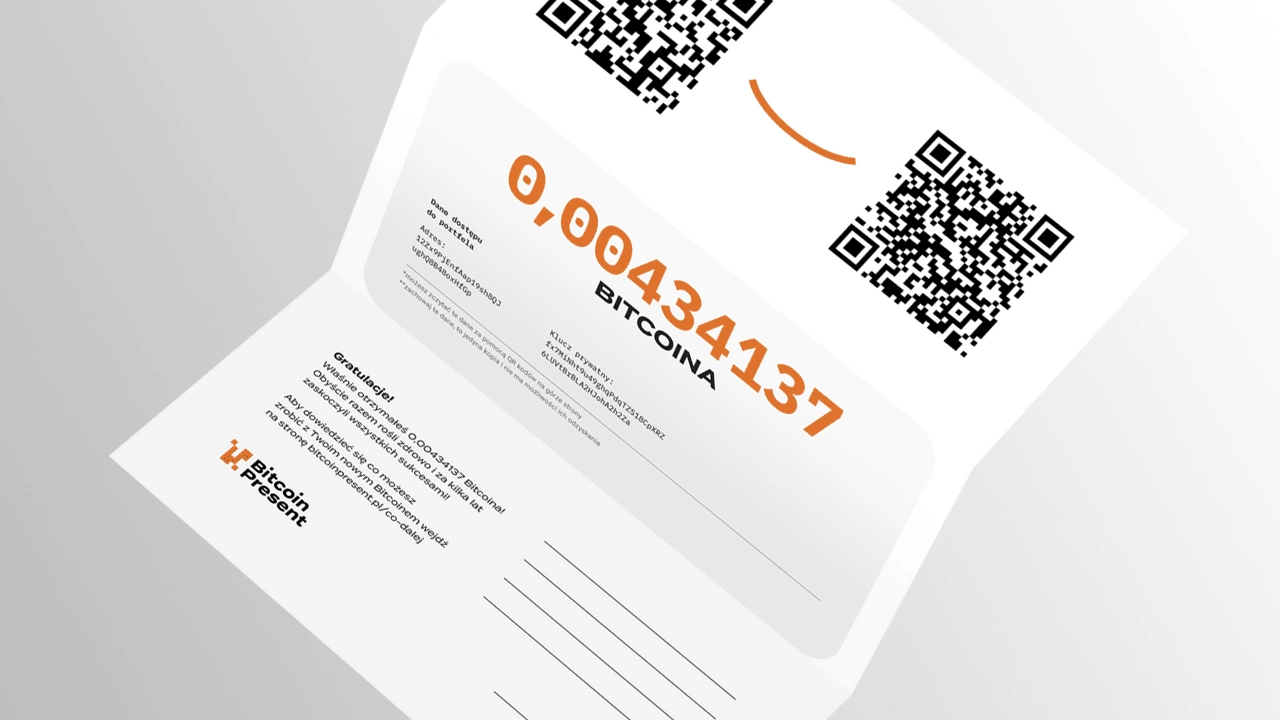
Bitcoin is becoming an increasingly popular gift for people interested in blockchain technology and cryptocurrencies. This article provides a practical guide for those who want to give Bitcoin to loved ones, explaining the benefits, challenges, and best practices associated with this unique gift.
Bitcoin as a gift represents an interesting alternative to traditional presents. Unlike physical items that may wear out or go out of fashion, Bitcoin is a digital asset whose value can grow over time. For people interested in technology and investments, Bitcoin is a gift that combines education with financial potential.
Giving Bitcoin can also be a symbolic gesture. It shows that the giver believes in the future of blockchain technology and wants to share this vision with loved ones. This can be particularly meaningful for people who want to introduce their loved ones to the world of cryptocurrencies and interest them in this technology.
Bitcoin as a gift also has practical advantages. It is easy to send, requires no physical transportation, and can be given regardless of geographic location. This makes Bitcoin an ideal gift for people living far away or those who prefer digital gifts.
Giving Bitcoin has many benefits for both the giver and the recipient. First, Bitcoin is an asset with potential for value appreciation. Historically, Bitcoin has shown a strong upward trend despite periodic declines. For the recipient, Bitcoin can represent an investment that may pay off financially over time.
Second, giving Bitcoin represents an educational opportunity. The giver can use this moment to explain what Bitcoin is, how blockchain works, and what potential applications this technology has. This may interest the recipient and encourage them to learn more about cryptocurrencies.
Third, Bitcoin is a gift that is secure and intangible. Unlike cash, which can be easily lost or stolen, Bitcoin stored in a secure wallet is protected by cryptography. This makes Bitcoin a gift that is safe and can be stored for a long time.
Fourth, giving Bitcoin can be a gesture that demonstrates faith in the future of technology. For people interested in innovation and the future, Bitcoin can be a gift with deep symbolic meaning.
Despite many benefits, giving Bitcoin also involves certain challenges. The main challenge is educating the recipient. Bitcoin and cryptocurrencies are new and complicated topics for many people. The giver must be prepared to explain what Bitcoin is, how to store it, and how to use it safely.
Another challenge is Bitcoin's price volatility. Bitcoin is known for significant price volatility, meaning the value of the gift can change dramatically in a short period. For a recipient unfamiliar with cryptocurrencies, this volatility can be stressful and discouraging.
A third challenge is security. Storing Bitcoin requires appropriate safeguards, such as secure wallets and protection of private keys. If the recipient is unfamiliar with these concepts, they may be vulnerable to fraud or loss of their assets.
A fourth challenge is the regulatory and tax issue. In many countries, owning and transferring cryptocurrencies is subject to tax regulations. The giver should be aware of these requirements and be prepared to explain them to the recipient.
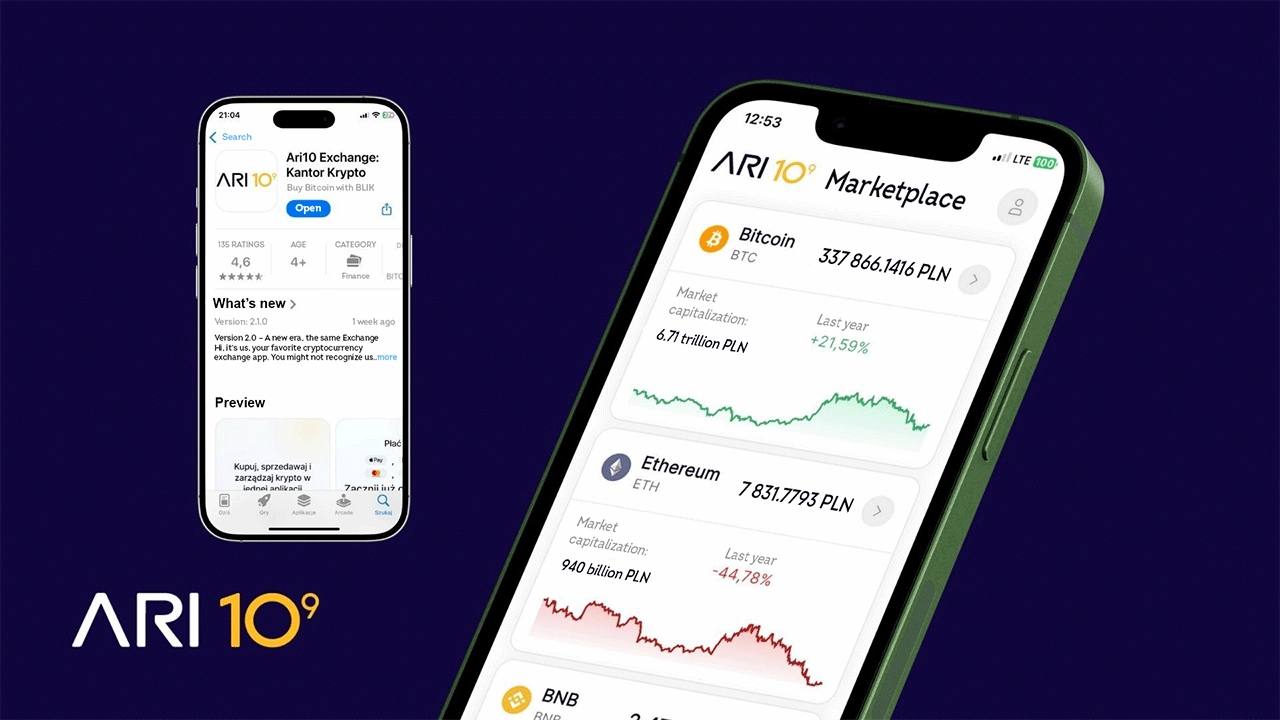
Giving Bitcoin requires several practical steps. First, the giver must own Bitcoin. It can be purchased on cryptocurrency exchanges such as ARI10 Exchange, Binance, or other platforms. The purchase process is relatively simple and requires registration, identity verification, and payment.
Second, the giver must set up a secure wallet for the recipient. A wallet is an application or device that stores private keys and enables Bitcoin management. There are various types of wallets, from online wallets to hardware wallets. For beginners, mobile wallets such as MetaMask or Trust Wallet can be a good choice.
Third, the giver must send Bitcoin to the recipient's wallet. This requires providing the recipient's wallet address and confirming the transaction. This process is secure because Bitcoin is sent directly to the recipient's wallet, and the giver has no access to their private keys.
Fourth, the giver should explain to the recipient how to use the wallet and how to safely store Bitcoin. This is a crucial step because education is essential for safe and responsible cryptocurrency management.
Security is a key aspect of giving Bitcoin. The giver should ensure that Bitcoin is sent to a secure wallet and that the recipient understands how to protect their private keys. Private keys are passwords that enable access to Bitcoin and must be protected like a bank account password.
Best practices include keeping backups of private keys in a secure location, such as a safe or safety deposit box. The recipient should also avoid sharing private keys with others and should be cautious of scammers who may try to persuade them to reveal their keys.
The giver should also explain to the recipient that Bitcoin is an asset with variable value and that they should be prepared for price fluctuations. The recipient should understand that Bitcoin is a long-term investment and should not panic in case of price declines.
Another best practice is to use reputable platforms for purchasing and sending Bitcoin. Platforms such as ARI10 Exchange offer secure and intuitive interfaces for buying and selling cryptocurrencies. Using reputable platforms reduces the risk of fraud and loss of assets.
There are various ways to give Bitcoin, depending on the giver's and recipient's preferences. One way is to directly send Bitcoin to the recipient's wallet, as described above. This is the simplest and most direct method.
Another way is to give Bitcoin in the form of a gift card. Some platforms offer gift cards that can be redeemed for Bitcoin. This can be a convenient way for people who don't want to directly manage a wallet.
A third way is to give Bitcoin in paper form. The giver can print the private key on paper and give it to the recipient. This is a traditional method but requires caution because paper can be easily destroyed or lost.
A fourth way is to give access to a hardware wallet. Hardware wallets are physical devices that store private keys. The giver can give the recipient a hardware wallet with Bitcoin already on it. This is a secure way to store Bitcoin.
Educating the recipient is a key element of giving Bitcoin. The giver should be prepared to explain basic concepts, such as what Bitcoin is, how blockchain works, and what benefits and risks are associated with owning cryptocurrencies.
The giver should also explain to the recipient how to use the wallet, how to check the balance, and how to make transactions. This may include a demonstration in which the giver shows the recipient step-by-step how to use the wallet.
Education should also include a discussion about security. The recipient should understand why private keys are important, how to protect them, and what threats are associated with their disclosure.
Additionally, the giver should be prepared to answer the recipient's questions and support them in the early stages of Bitcoin management. This support can be valuable for the recipient, especially if they are new to the world of cryptocurrencies.
Bitcoin as a gift represents an interesting trend that will develop in the future. As awareness of cryptocurrencies and blockchain grows, more people will consider giving Bitcoin to their loved ones. This represents an opportunity for platforms such as ARI10 Exchange to support this trend by offering easy and secure ways to buy and send Bitcoin.
For recipients, Bitcoin can represent not only a gift but also an introduction to the world of cryptocurrencies and blockchain technology. For givers, giving Bitcoin can be a way to share their passion for technology and the future of finance.
However, it is important that both givers and recipients are aware of the challenges and risks associated with Bitcoin. Education, security, and responsible management are key to a positive experience with giving Bitcoin. When these elements are in place, Bitcoin can be a gift that is both meaningful and potentially financially valuable.
It is also important to ensure that both the recipient and the donor complete all the necessary formalities relating to the donation and pay the relevant taxes.
Note: ARI10 communicates exclusively through official channels. Cryptoassets involve significant risk, including the potential loss of funds. Always verify information. For assistance, visit ari10.com.