This guide helps you understand the fundamentals of the cryptocurrency market and the role digital assets play within a mature, regulated financial ecosystem.
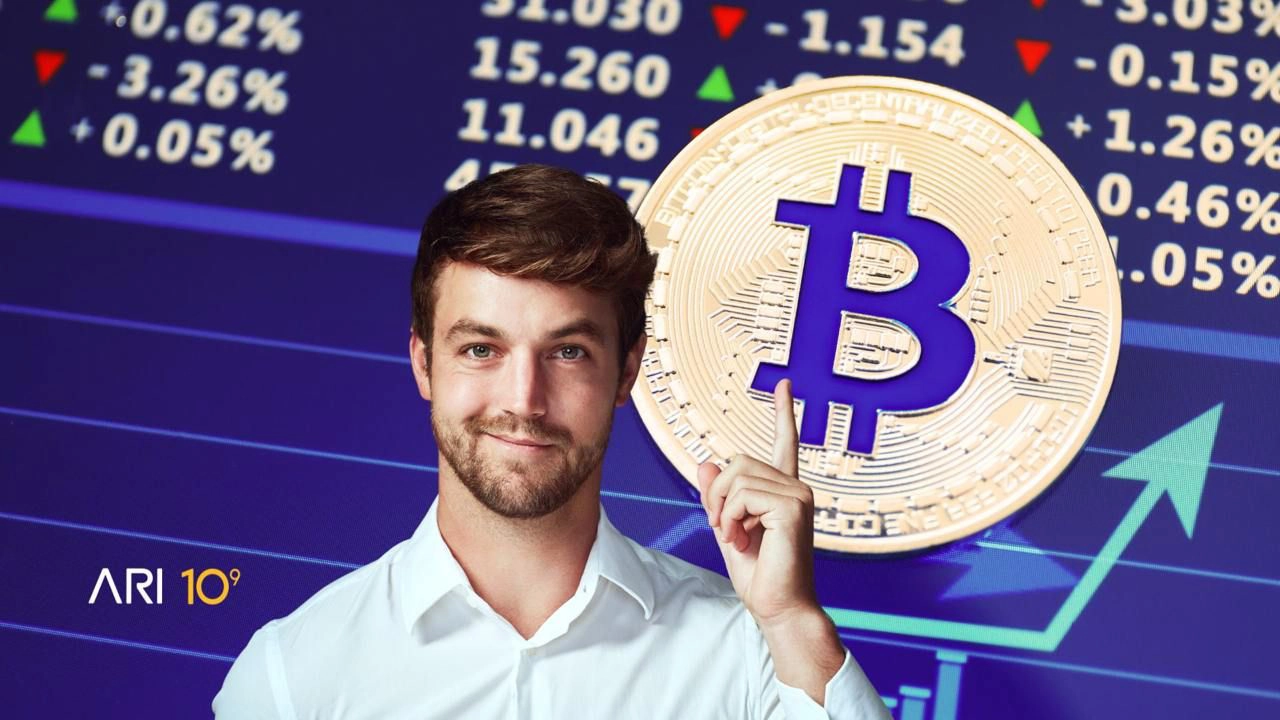
Cryptocurrencies are digital assets operating within decentralized systems, most commonly built on blockchain technology. Their defining characteristics include:
Bitcoin - the first and most widely recognized cryptocurrency - initiated the entire digital asset sector. Today, thousands of projects exist, though only a small fraction offer real utility, transparent operating models, and market‑validated credibility.
In the mature ecosystem of 2025, it is essential to distinguish between:
A responsible approach to the market begins with careful selection and an understanding that not every token is worth attention.
In practice, cryptocurrencies serve several key functions:
Crypto transactions can be executed quickly and globally, reducing costs and settlement times - particularly relevant for cross‑border payments.
Bitcoin is often viewed as a digital counterpart to scarce assets. Over the long term, it attracts investors seeking alternatives to traditional stores of value, though it remains highly volatile.
Price volatility makes cryptocurrencies a tool for short‑term trading. This area requires knowledge, discipline, and a high tolerance for risk.
Some tokens power decentralized applications (dApps), financial protocols (DeFi), gaming ecosystems, or asset‑tokenization solutions.
The cryptocurrency market - especially Bitcoin - exhibits cyclical behavior influenced by events such as the halving, which periodically reduces mining rewards. Historically, this has affected supply dynamics and price movements.
Previous cycles often followed a pattern of:
However, past trends do not guarantee future outcomes. Each cycle unfolds within a different regulatory and macroeconomic environment.
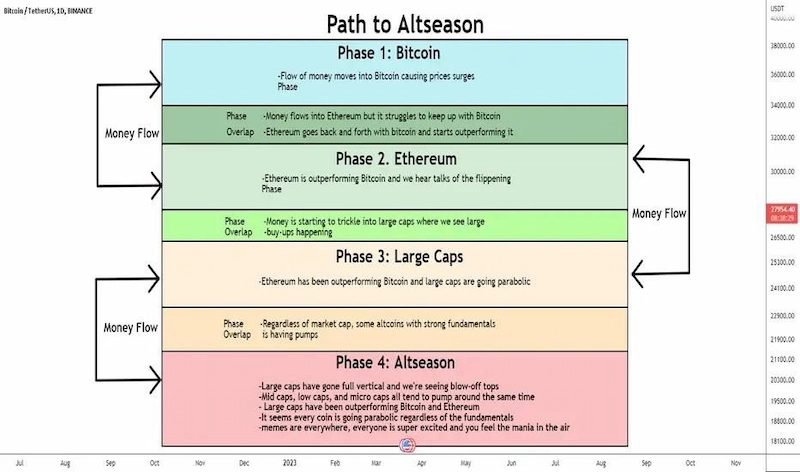
The market can be broadly divided into:
Bitcoin
The first cryptocurrency, often treated as a distinct asset class.
Altcoins
All cryptocurrencies other than Bitcoin, varying widely in purpose and risk profile.
Stablecoins
Tokens pegged to traditional currencies (e.g., USD, EUR). In 2025, they form a critical settlement layer for B2B transactions and cross‑border payments.
Additional segments include memecoins, AI‑related tokens, gaming tokens, and DeFi assets - dynamic but often associated with elevated risk.
In a regulated environment, choosing a compliant and trustworthy platform is essential.
ARI10 Exchange - a Polish platform operating since 2017 - offers:
In a mature market, security and regulatory alignment are as important as convenience.
Download the app: AppStore
Download the app: Google Play
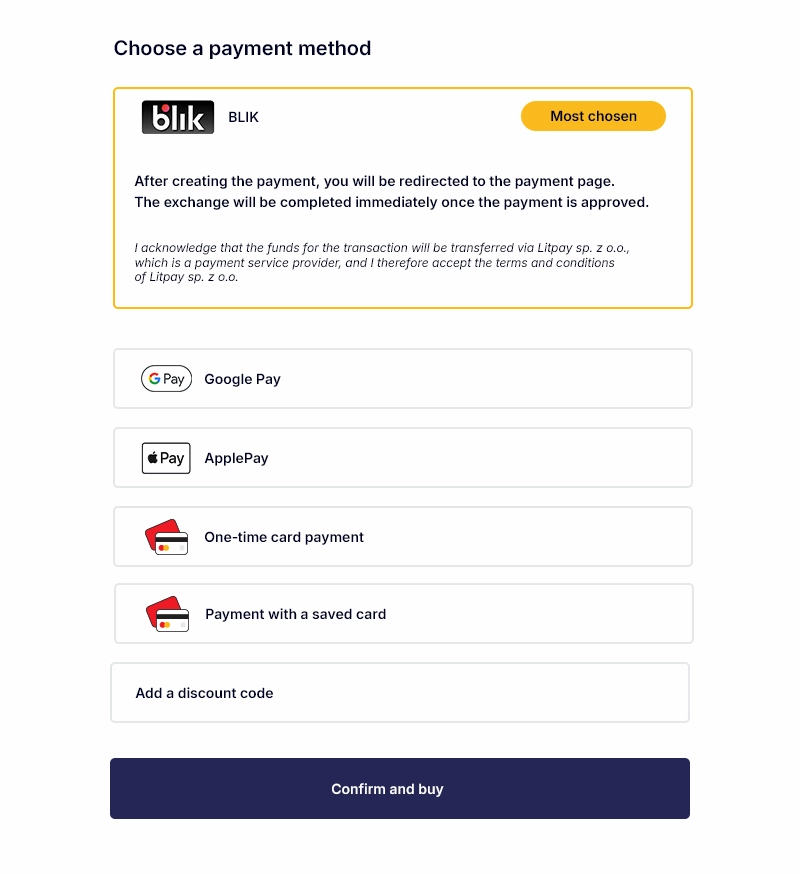
Purchasing crypto on a regulated platform typically involves:
The process is straightforward but requires awareness of the associated risks.
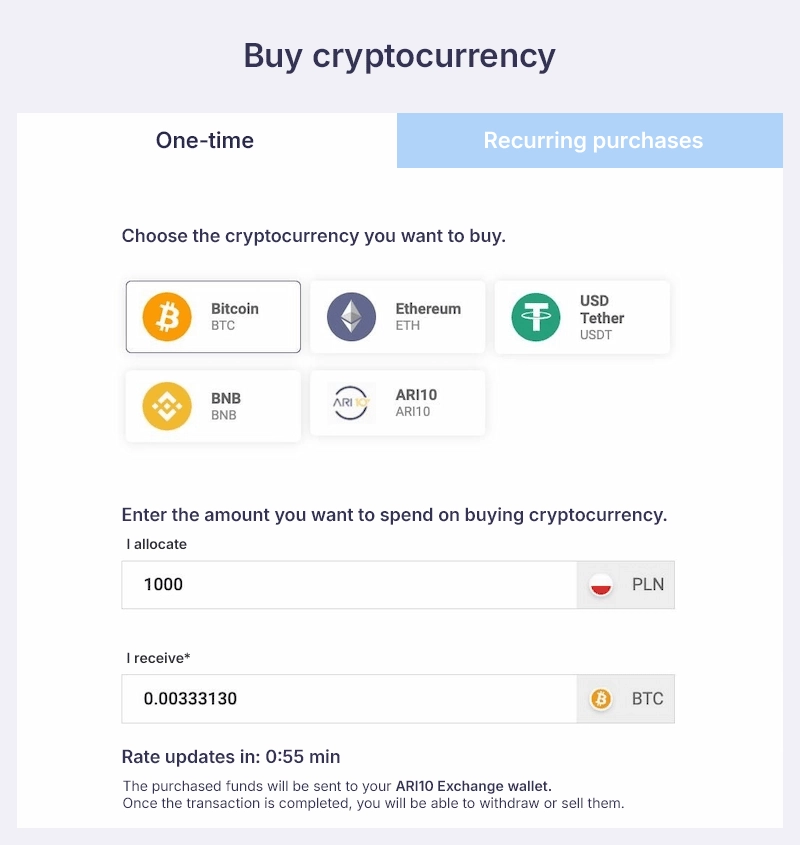
Commonly chosen assets include:
Smaller altcoins may offer higher potential returns but come with increased volatility. The choice should reflect individual risk tolerance and investment horizon.
Cryptocurrencies are a complex asset class. Therefore:
Informed participation reduces risk and supports better decision‑making.
Note: ARI10 communicates exclusively through official channels. Cryptoassets involve significant risk, including the potential loss of funds. Always verify information. For assistance, visit ari10.com.