Discover the tech powering Web3 and reshaping how apps are built and decentralized ecosystems operate worldwide.
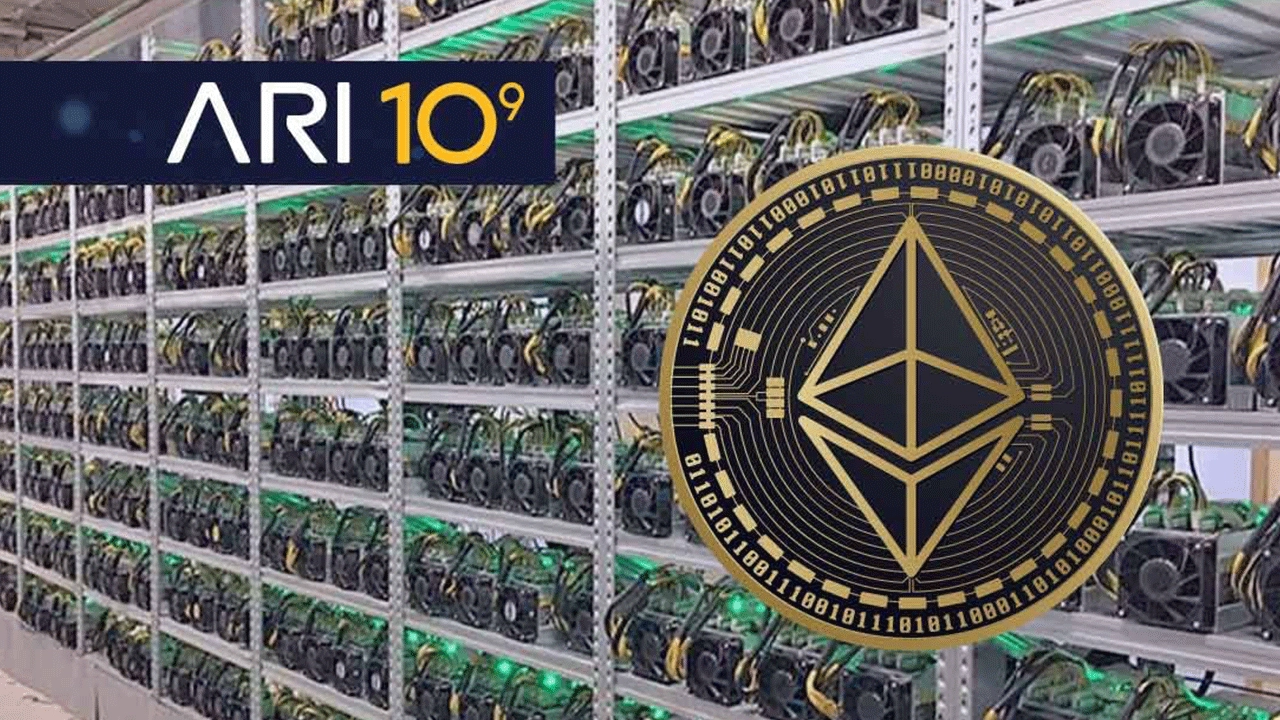
Launched in 2015 by Vitalik Buterin, Ethereum quickly emerged as a breakthrough innovation in the blockchain sector. Unlike Bitcoin - originally designed as a decentralized alternative to traditional payment systems - Ethereum was built with a broader vision: to create infrastructure where applications can run autonomously, resist censorship, and operate without centralized intermediaries.
Ethereum is a programmable platform that enables the development of decentralized applications (dApps) and the automation of business processes through smart contracts.
The fundamental distinction between the two networks lies in their functionality and architecture. Bitcoin primarily serves as a digital currency and store of value. Ethereum, on the other hand, was designed as a programmable platform with the capacity to execute complex operations.
The networks also differ in their consensus mechanisms. For many years, Ethereum relied on Proof of Work, but in 2022 - through the upgrade known as The Merge - it transitioned to Proof of Stake, significantly reducing energy consumption and improving network scalability. This shift marks a major divergence from Bitcoin, which continues to operate on energy-intensive PoW.
Ethereum has become the foundation for thousands of projects, providing infrastructure for:
This diversity and flexibility make Ethereum one of the most influential components of the global blockchain and Web3 ecosystem.
Ether (ETH), the native cryptocurrency of the Ethereum network, fulfills several essential roles within the ecosystem:
Every action on the network - from simple transfers to executing complex smart contracts - requires ETH as gas. Higher network activity translates directly into increased demand for ether. This mechanism directly ties ETH's value to platform utilization.
Following the transition to Proof of Stake, a portion of ETH is locked in staking, reducing circulating supply in the open market. Users who stake ETH receive rewards for participating in transaction validation, enhancing ETH's appeal as an investment asset for long-term holders.
ETH functions not only as a currency but also as the foundational resource powering the entire Ethereum infrastructure - from DeFi protocols to tokenization of traditional assets. Increased Web3 adoption directly impacts demand for ether.
Ethereum has defined a new era of blockchain technology and decentralized applications. Through smart contracts, decentralized applications, and a vast range of use cases, it has become the backbone of the expanding Web3 landscape. The value of ETH stems from its operational role within the network, the mechanisms that limit its supply, and growing demand from the DeFi ecosystem. Today, Ethereum remains one of the most significant projects in the industry - attracting developers, entrepreneurs, and digital-asset holders worldwide, serving as critical infrastructure for the future of decentralized finance.
Note: ARI10 communicates exclusively through official channels. Cryptoassets involve significant risk, including the potential loss of funds. Always verify information. For assistance, visit ari10.com.